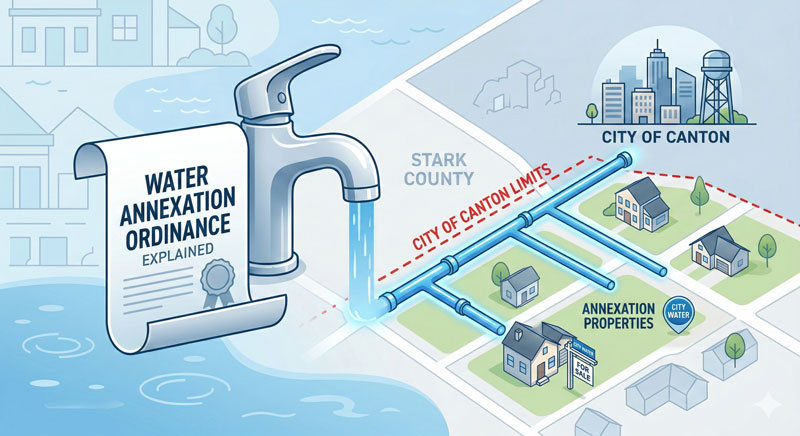
If you own property in a Stark County township with Canton water or sewer service or you’re considering buying one, Canton’s February 2026 annexation ordinance directly affects you. This guide provides comprehensive, factual information about what changed and what it means.
🤏🏼 Looking for the short version? To simply learn what this means to buyers and sellers in the townships with city water and sewer, see the simple version
As a realtor who has been involved and researching this situation almost daily since February 2nd (including testifying at the City Council meeting) I’ve compiled what I’ve learned from conversations with council members, trustees, attorneys, and lenders. I don’t claim to have the complete picture, but I can offer deeper insight than most public sources.
This is not a political argument for or against annexation. I present both the city’s rationale and township responses, along with legal context and real estate market implications. My goal is to help property owners and buyers understand what they’re facing and make informed decisions.
Disclaimer: This post reflects my understanding of the ordinance and the situation as of the date published, based on my reading of the legislation, conversations with city officials, and professional experience. I am not an attorney and this is not legal advice. The city’s implementation of this ordinance may evolve, and details could change. If you have questions about how this affects your specific property, consult a real estate attorney or contact the City of Canton directly.
What happened?
- Background (2022): Previous administrations at Canton and Perry Township signed a Joint Economic Development District (JEDD) agreement, known as the Faircrest agreement, which prevents Canton from annexing Perry Township land for 50 years without trustee approval.
- Early 2026: Dispute emerges over a billion-dollar data center development. Canton Mayor William Sherer wants to renegotiate the JEDD, believing it’s invalid. He offers Perry a larger share of tax revenues and water service for the commercial venture.
- Late January 2026: Perry Township trustees file a lawsuit against Canton for breach of contract for Canton applying for annexation of the Fisher’s property on NW corner of Whipple and W. Tusc to become a Chick-fil-a and 7 Brew Coffee. Canton withdrew the application and I believe Perry withdrew their lawsuit.
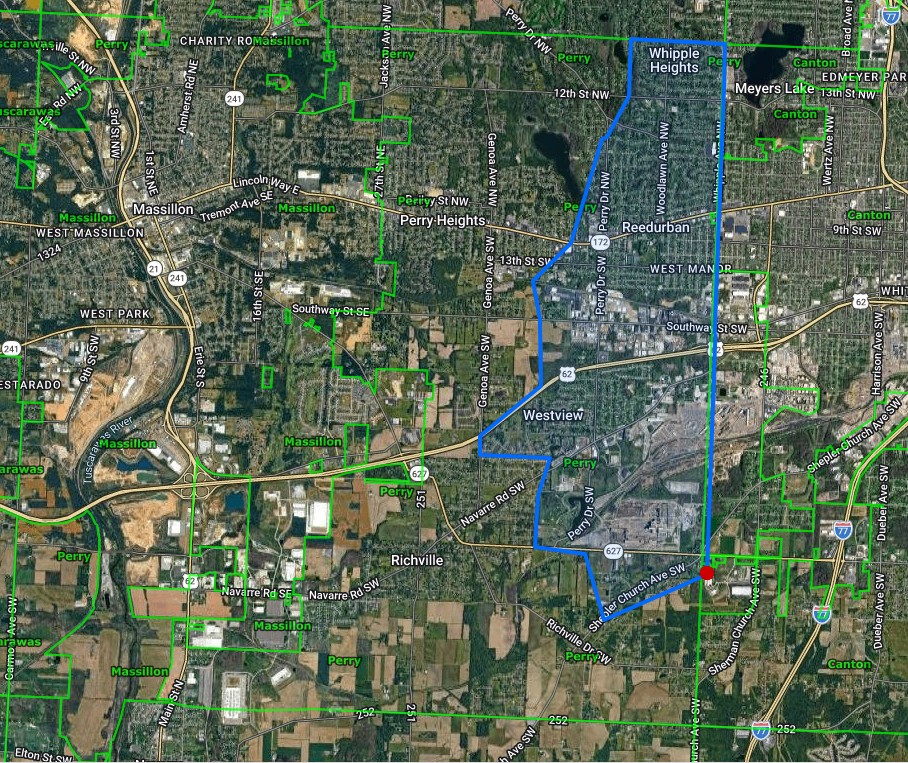
- February 2nd, 2026: The public learns that Canton will review new water service requests in Perry Township on a “case-by-case basis.” Letters are sent to Perry residents warning that if they sell their property, water service will not be guaranteed for the new owner. This affects approximately 4,000 existing Canton water customers in Perry Township.
- February 5, 2026: Canton’s Water Department officially implements the case-by-case review process for water transfers in Perry Township. I have not heard of any cases that have been approved.
- February 11, 2026: Perry Township’s law firm, Baker Dublikar, sends a letter threatening litigation and eminent domain proceedings over Canton’s water infrastructure, with a 10-day deadline (February 21).
- February 23, 2026: Canton city council releases language for a new ordinance requiring annexation agreements for water and sewer service for ALL townships. First reading occurs; the ordinance is referred to the Annexation committee. The ordinance passes as an emergency measure, taking effect immediately. I spoke at the meeting warning of unintended consequences. (Read the Ordinance at the bottom…)
Canton’s stated rationale: The city argues this addresses a long-standing imbalance in how regional services are funded. Canton provides extensive infrastructure (water, roads, emergency services, parks) that benefit township residents and businesses, with some city-owned parks even located in townships but funded by Canton taxpayers. The city’s position is that township residents benefiting from these services don’t pay Canton income taxes, effectively subsidizing services outside city limits. The stated goals are to ensure equitable contribution, reduce the subsidy burden on city residents, encourage coordinated growth, and strengthen fiscal sustainability.
Township responses: Multiple township trustees have publicly opposed the ordinance, calling it coercive and a revenue grab. Plain Township Trustee Scott Haws stated: “We’re going to fight like hell,” He’s working with the Ohio Township Association and Coalition of Large Ohio Urban Townships to change state annexation laws.
Township trustees argue this is coercive by tying essential utilities to forced annexation. Key counterarguments include: (1) Township residents already pay 1.5x higher water rates: Columbus township customers pay 1.3x more, Cincinnati 1.25x more than city residents; the Ohio House passed HB 163 to penalize unjustified rate disparities. (2) Townships provide reciprocal value through mutual aid agreements where township emergency services respond to city calls, funded by township property taxes. (3) Ohio law makes townships powerless to stop annexation, which deprives them of tax revenue and local control. Townships have very limited funding streams compared to cities. (4) Justice Pfeifer wrote in dissent that requiring annexation for water connection “is unduly coercive and not reasonable.” (5) Township residents have no voting rights in Canton elections yet face policies from officials they cannot elect i.e. taxation without representation.
See sources below
What does this ordinance mean for township residents with Canton water/sewer?
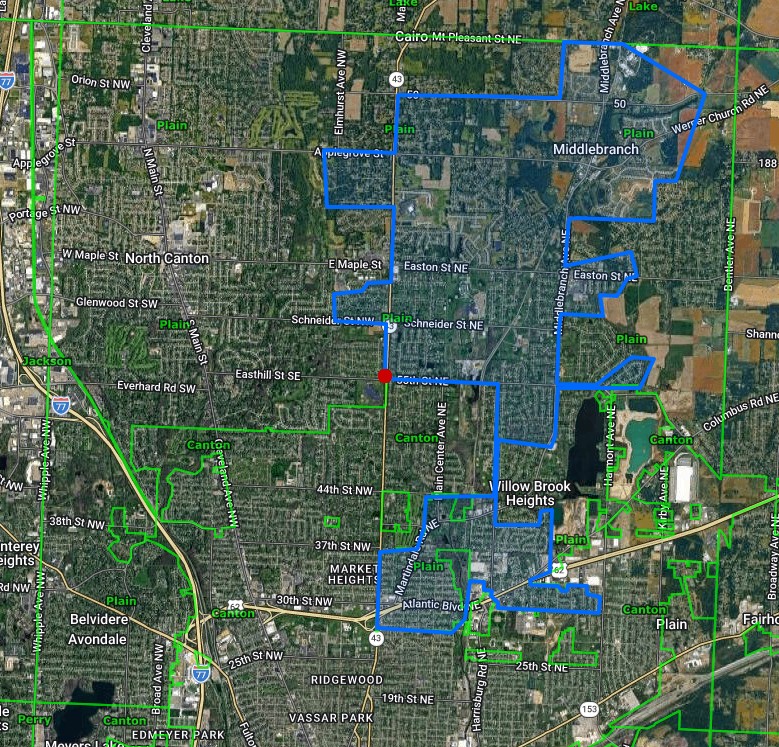
First, does this affect you? This ordinance applies to properties that receive Canton city water and/or sewer but are located outside Canton city limits. If you get water from North Canton, Aqua Ohio, or another provider, or sewer from Stark County, or live in another incorporated city/village, this doesn’t directly affect you.
The critical language: Section 2(b) states: “All properties within the boundaries of the City’s defined water and sewer districts are deemed to be subject to annexation unless they are geographically exempt from annexation pursuant to a written agreement between the City and another political jurisdiction.” Translation: If your property is outside Canton but receives Canton water/sewer, it’s now subject to annexation unless a specific written agreement protects it.
What this means in practice:
- New water/sewer connections: Anyone requesting new Canton service outside city limits must sign an annexation agreement.
- Property transfers: When you sell your home, the buyer must sign an annexation agreement to receive Canton water/sewer service.
- The annexation agreement: This commits the property owner to petition to be annexed into Canton if the city boundary ever reaches their property (becomes “contiguous”).
- Contiguous ambiguity: Ohio Revised Code Chapter 709 allows Canton to use corridor/strip annexation along roads and utility rights-of-way to establish contiguity. Unlike 16 states that prohibit this, Ohio’s Supreme Court has upheld “balloon on a string” annexations where narrow connecting strips (requiring only 5% of the perimeter to be contiguous) link municipalities to target properties. I have not heard of any plans to pursue balloon annexations.
- It doesn’t run with the land: The agreement isn’t recorded with the deed. Every new buyer must sign a fresh agreement as a condition of service, making it a permanent condition on every future transaction while the ordinance is in place.
- Waivers are rare: The Director of Public Service may issue waivers, but Council can deny any waiver by two-thirds vote. Per my conversations, “waivers are meant for rare exceptions only.”
- Exemption for existing agreements: Section 1 includes language that properties are subject to annexation “subject to any existing JEDD, CEDA, or Annexation Agreements in place at the time of request for utilities.”
- What this means for Perry Township: Don’t quote me, but I took this to mean that Perry residents MAY be exempt from required agreements by their 50-year Faircrest JEDD agreement, which prevents Canton from annexing Perry land without trustee approval. However, this exemption is ambiguous and currently disputed. The JEDD carve-out could protect Perry residents IF Canton and Perry reach an agreement to resume normal water service without Perry removing that protection. The ongoing lawsuit makes this uncertain and maybe they’ll be required to sign an agreement that begins annexation 47 years out. If there are similar agreements in place with other townships, those may apply here too.
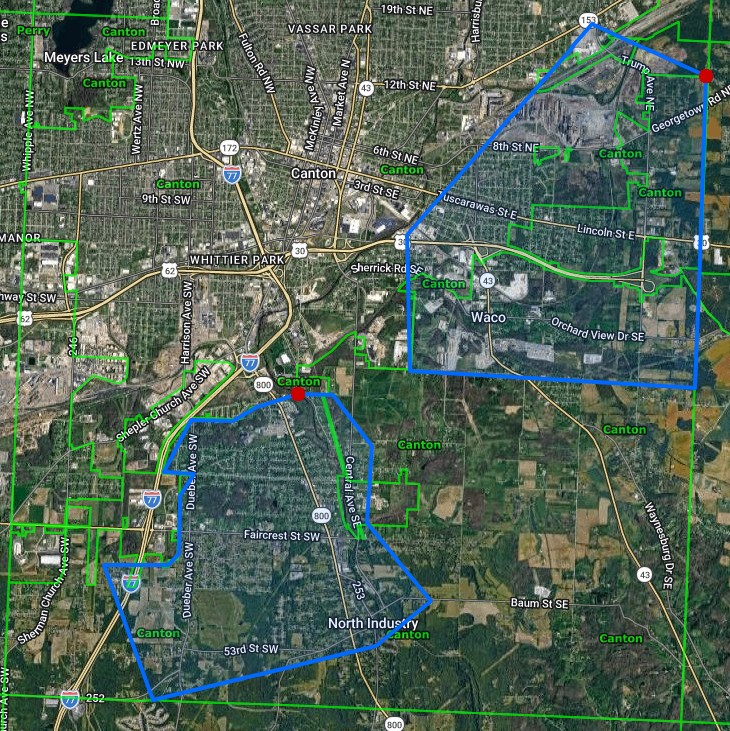
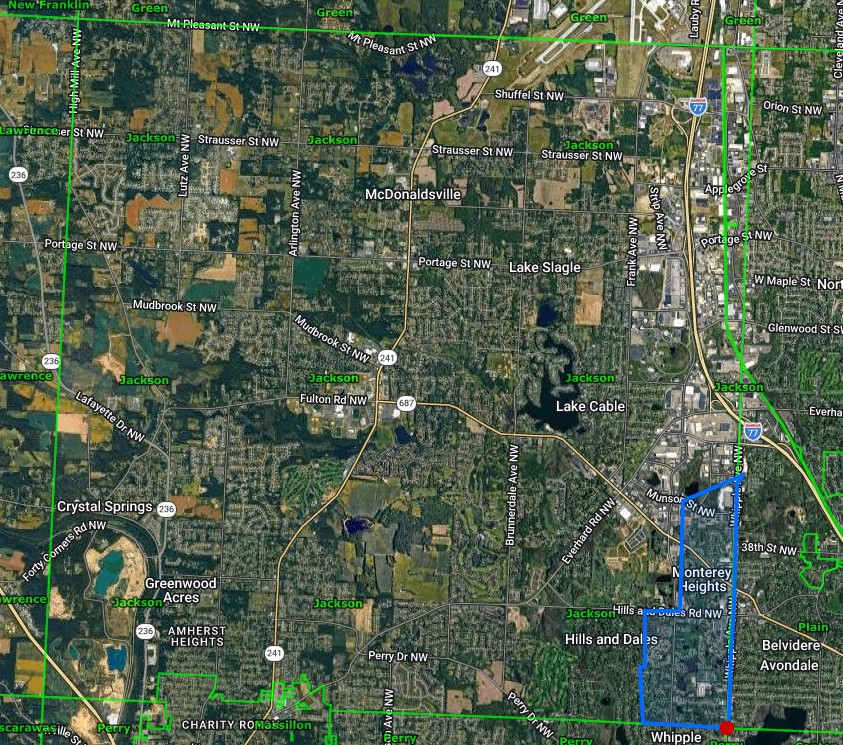
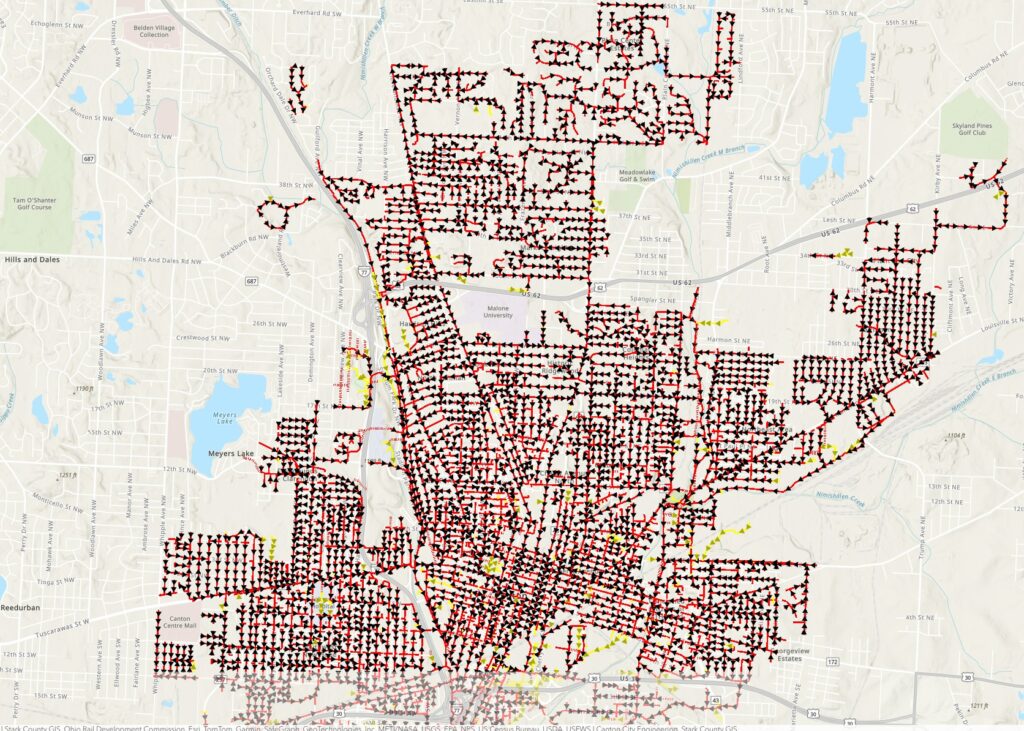
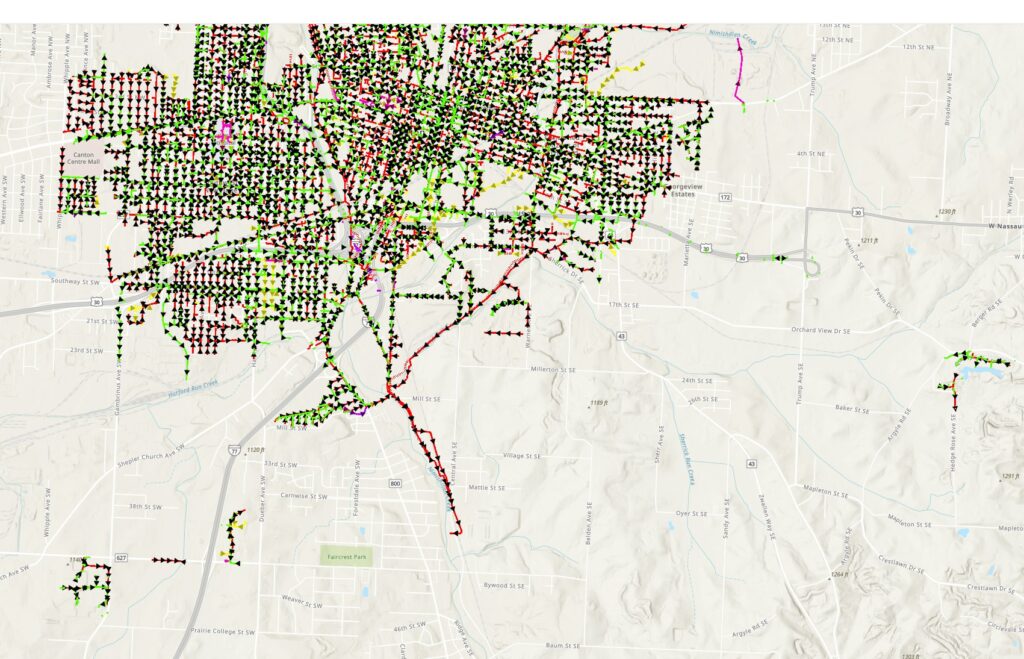
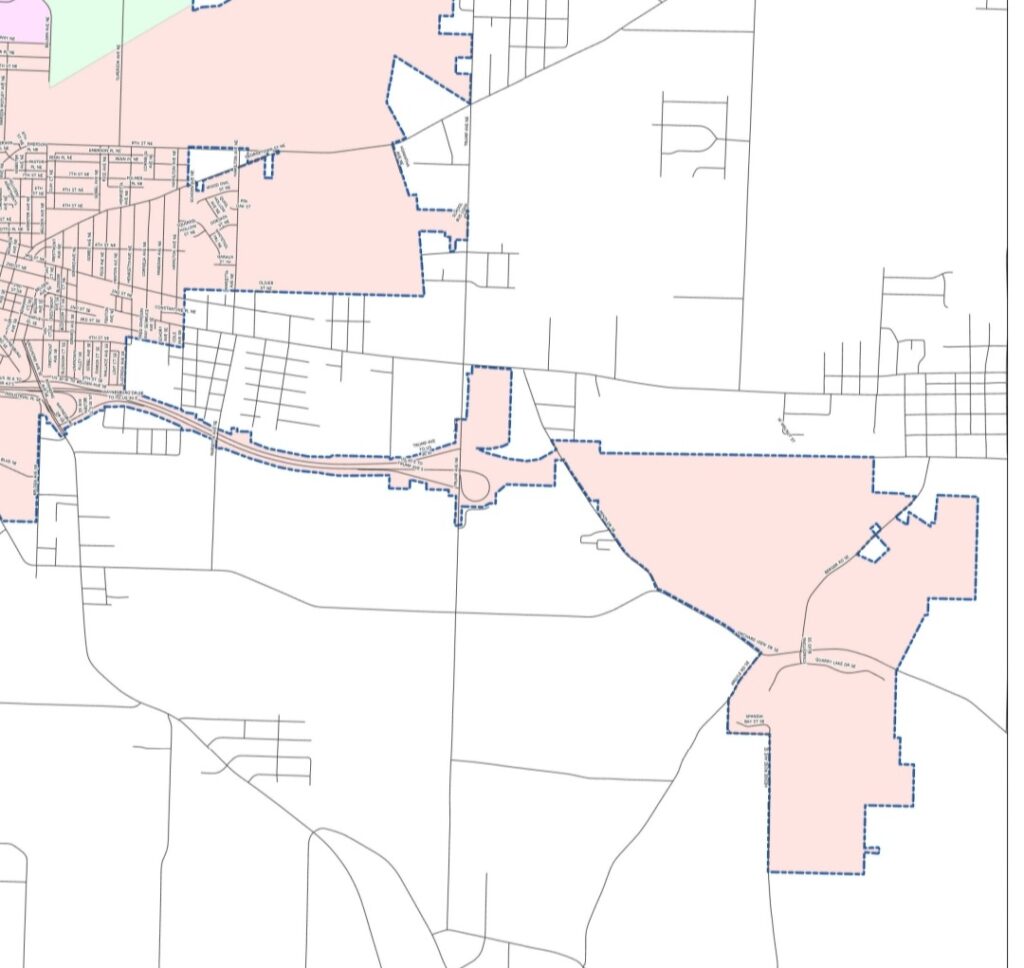
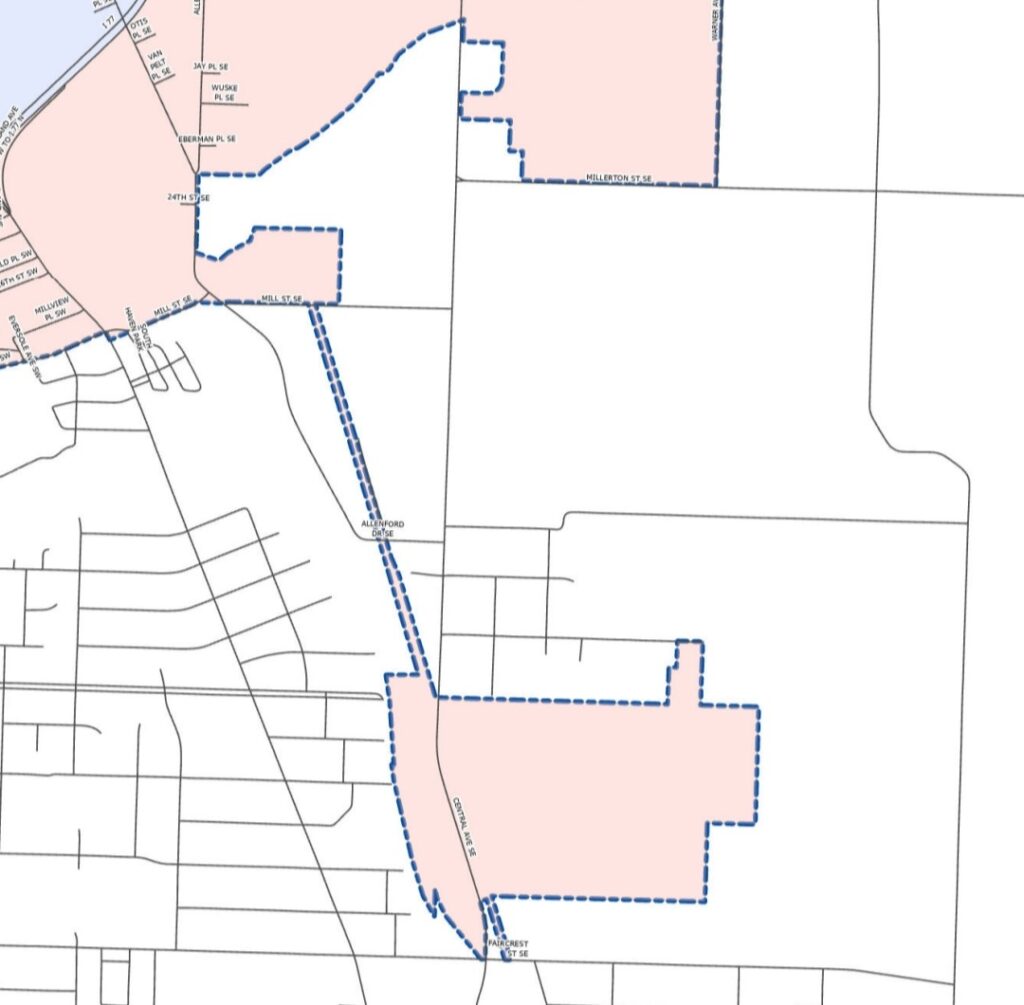
Is this legal?
Canton is basing this on Ohio Supreme Court case Bakies v. City of Perrysburg (2006), which held that municipalities can determine the terms for selling water/sewer to extraterritorial customers and can require annexation as a condition of service. However, there’s a key distinction: Perrysburg’s Willowbend case involved a 1970s subdivision with original annexation provisions already in place, the city was enforcing existing provisions. Canton is passing a NEW ordinance and applying it to all existing customers who have received service for years or decades without any annexation requirement.
“Columbus did this exact thing”: Not quite. Columbus’s Sensenbrenner policy (1954) required annexation only for NEW water/sewer extensions to NEW developments during the post-WWII boom. It prevented suburban sprawl by requiring developers to annex before connecting new subdivisions. Critically, it did NOT threaten existing customers’ water service or require existing homeowners to sign new agreements every time they sold. Columbus used water/sewer to control future growth; Canton is applying the requirement retroactively to existing service areas. Columbus has largely pulled back from aggressive annexation, averaging only about 100 acres/year in recent decades. It is argued that Columbus’s aggressive annexation policy has detrimental impact on it’s school systems and the region.
See sources below
What does annexation mean?
Annexation brings your property into city limits, changing jurisdiction from township to city.
When does it happen? The agreement doesn’t annex your property immediately unless it already borders the city. It’s a commitment to be annexed IF and WHEN Canton’s boundary becomes contiguous to your property. As noted above, Ohio law allows corridor/strip annexation to establish this connection. Each annexation makes adjacent properties newly eligible, creating a cascade effect.
What changes when you’re annexed:
- Income tax: Canton residents pay 2.5% city income tax. If you work in Canton, you already pay this. If you work elsewhere, you’d start paying it, though Canton provides credit for taxes paid to other cities where you work.
- Services: You’d receive city services: police (instead of sheriff/township police), fire, paid trash collection, snow removal, street maintenance, code enforcement. Quality and frequency may differ from current township services. You may initially be the only one on your block with these changes.
- Zoning and regulations: Your property would fall under Canton’s zoning code instead of township zoning, affecting what you can do with your property.
- School district: Annexation does NOT change your school district. Schools operate independently of municipal boundaries.
- Voting and representation: You’d vote in Canton elections instead of township trustee elections and have a Canton ward council member.
- Property taxes: The city portion would change, though overall impact varies by location since you’d no longer pay certain township levies.
Disclosure Requirements: Ohio Revised Code 4735.67 requires agents and sellers to disclose material facts affecting a buyer’s decision. An ordinance conditioning water service on an annexation agreement is absolutely a material fact. Starting immediately, every property listing outside Canton city limits with Canton water/sewer must disclose this requirement, it’s a legal obligation under state law, not optional. Realtors and sellers who fail to disclose could face legal liability if a buyer discovers it after closing and claims they wouldn’t have purchased or would have negotiated differently. Buyers have the right to know that purchasing means signing an agreement to be annexed if the city boundary ever reaches them.
The unknown timeline: Nobody knows when (or if) the city boundary will reach any specific property, could be next year, in 20 years, or never. But by signing, you’re committing to annexation whenever it becomes possible. There’s also a possible cascading effect if everyone down the street signed this agreement and then the closest one sells, potentially annexing that entire street.
Those are the facts as I know them, and I may update this if I think of anything or am corrected.
Now, I will state my professional opinions as a Realtor for the past 20 years and some of what we’re seeing in the real estate community.
Perry Township: Effectively, sellers and buyers on these properties are seriously impacted. The city has denied all new transfer requests for water service since February 5th. Buyers need to accept properties without knowing if they’ll ever get water service, and many buyers won’t. I know of some wells being dug starting at $13,000+. Not all properties are eligible for wells; those that are must go through permitting and inspections, adding costs and time. This situation has serious implications on property values, though I haven’t heard closing prices yet. People may believe water will be restored and not price that in yet, but I imagine they’ll lose faith the longer this goes on. The parties need to reach an agreement or settle this in the courts. I’m actually hopeful this will get sorted out amicably.
Other townships: There are many unanswered questions. The main one: “How will buyer behavior be affected?” With the disclosure requirement, will buyers find other places without this complication? Will they accept this agreement depending on proximity to city boundaries? Will they largely have no problem at all? What will lenders and title companies require? Will contracts fall apart? What happens when a property needs to be immediately annexed to receive water? Narrowing the buyer pool by any fraction typically has an impact given how small the available market is for these properties. Canton is adding risk to this market and we know how markets price in risk. Some of this seems common sense and timelines may be decades instead of years, but we’ll have to see.
Canton City: My main concern for city residents is how this will impact their property values indirectly. Appraisals use nearby township comparables for city sales. If township property values drop, that could impact city values, not just through appraisals but also because township properties become more affordable competitive listings a few blocks over, and many buyers favor their better-graded school systems. I predict there will be some proximity impact: properties closest to city borders (on both sides) will lose some buyers, wait longer on market, and drop prices further while many unaffected buyers take advantage. I’m sure some are excited by that prospect and I don’t blame them, but property owners are not. I really hope I’m wrong for all homeowners. Perhaps this is good news for these buyers if annexation doesn’t phase them. Maybe (hopefully) the overall impact is negligible.
This situation is evolving. The market will provide answers over coming weeks and months. If you’re buying or selling a property on Canton water/sewer outside city limits, understand what you’re agreeing to, ask questions, and talk to a well-educated Realtor who knows how to inform you of risks and benefits. If you’re in Perry Township, the uncertainty around water service transfers is real and immediate.
I may share updates as we learn more about how this ordinance is being implemented and how the market responds. This is complex with many unknowns. What I do know is that transparency and factual information help everyone make better decisions.
If you have corrections, additional information, or questions, feel free to call or text 330-412-2221 or email joey@whipplerealestate.com
Sources:
- Ohio House Passes Bill Penalizing Higher Water Rates Outside City
- Authority of Municipalities to Require Annexation for Water/Sewer Services
- Butler Township Annexation Issues
- Canton threatening to withhold water service
- Bakies v. City of Perrysburg – Ohio Supreme Court (2006)
- Ohio Supreme Court Case Summary
- Ohio Supreme Court Clarifies Requirements for Expedited Annexations
- Ohio Revised Code Chapter 709 – Annexation
- LSC Members Brief – Annexation
- Annexation and Mayor Sensenbrenner – How Columbus Grew
- Columbus Annexation History
- Columbus Expansion Impact on Communities